
Case Study - Learnify
Focus: Product marketing strategy, product-led lead generation, learning systems design
What Learnify is
Learnify is an online tutoring and learning platform for kids, designed to support students academically while giving parents visibility into progress and learning needs.
Like many education platforms, Learnify faced a familiar challenge early on: parents were interested, but interest wasn’t translating into consistent, qualified leads.
The Core Challenge
Lead generation was the primary bottleneck.
Traditional approaches (ads, landing pages, generic sign-up forms) were attracting attention but failing to:
- Differentiate Learnify meaningfully
- Build trust with parents
- Capture enough context about each child’s actual learning needs
The real issue wasn’t traffic. It was intent and relevance.
Strategic Insight
Parents don’t want to “sign up for tutoring.”
They want to:
- Understand their child’s strengths and gaps
- Feel confident they’re making the right decision
- See evidence that a platform understands their child as an individual
Lead generation needed to deliver value first, not ask for commitment upfront.
My Approach
I began by developing a product marketing and growth strategy document that reframed lead generation as a product experience, not a marketing funnel.
The strategy focused on one core idea:
Turn learning insight into the primary acquisition mechanism.
Instead of pushing parents to register immediately, the platform would help them discover something meaningful about their child — then naturally guide them toward Learnify’s tutoring solution.
To support this approach, I helped design and implement a set of interconnected digital tools.
The System
These tools were not built as isolated features, but as a lead generation system powered by insight and personalization.
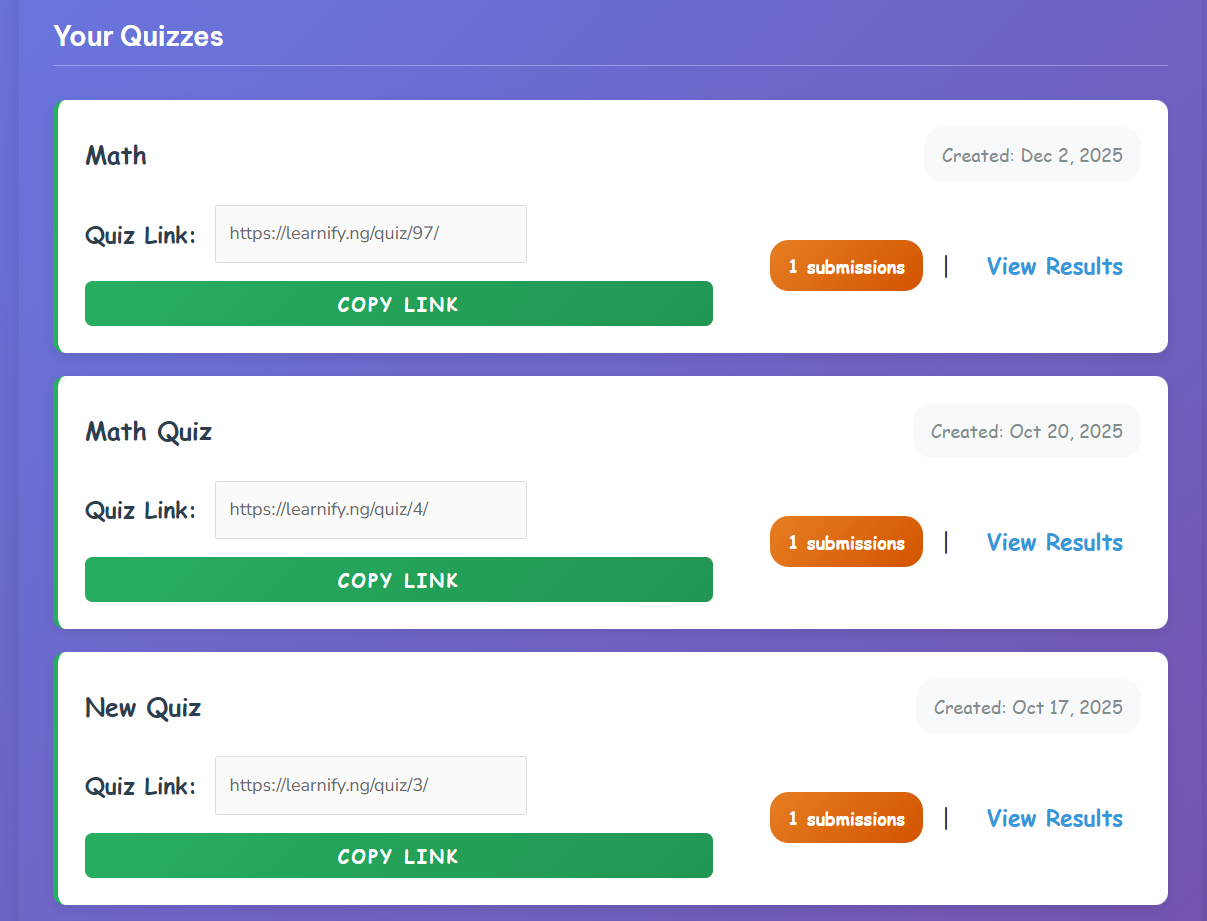
1. Quiz Platform (Entry Point)
A simple, parent-friendly quiz designed to:
Identify a student’s academic level
Surface learning gaps
Create a low-friction first interaction
This served as the top-of-funnel entry point, replacing generic sign-up forms.
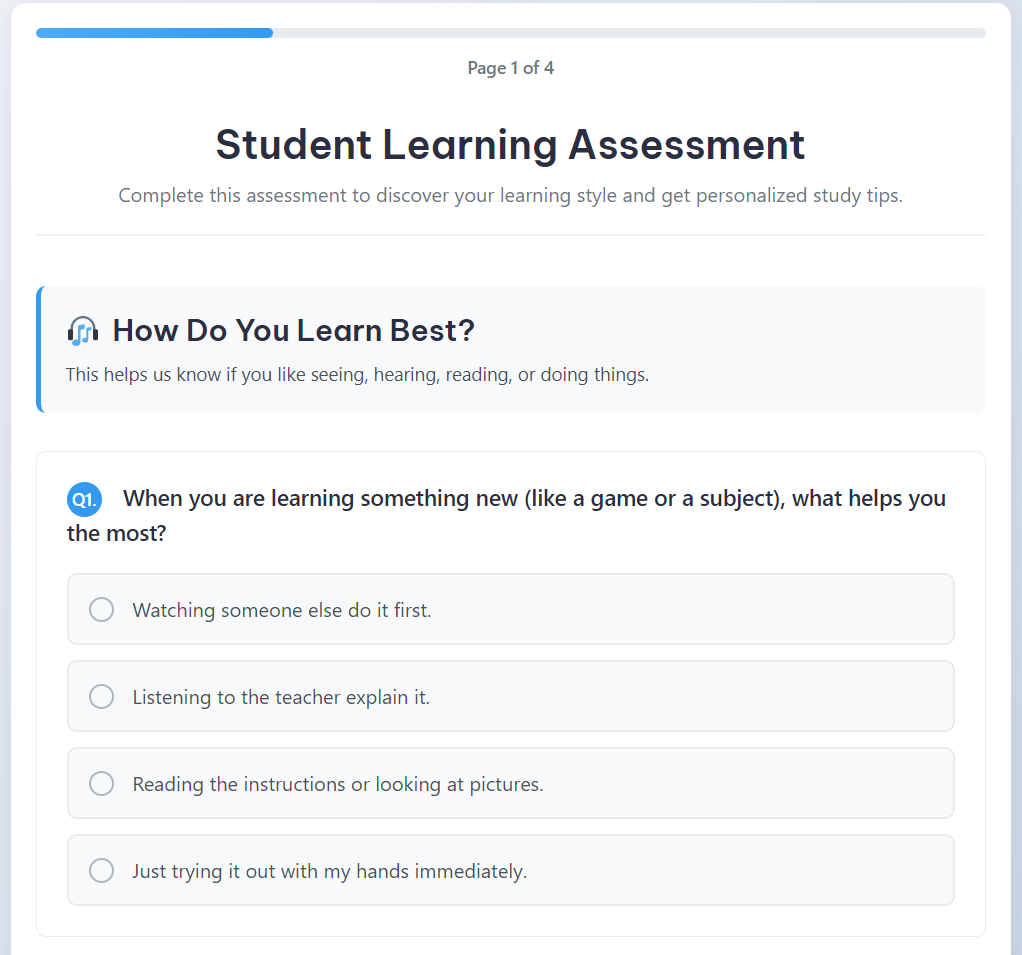
2. Student Strength Assessment Tool
Based on quiz responses, students were evaluated across key skill areas.
The goal was to:
Highlight strengths
Identify specific improvement areas
Translate abstract “performance” into understandable signals for parents
This positioned Learnify as diagnostic, not promotional.
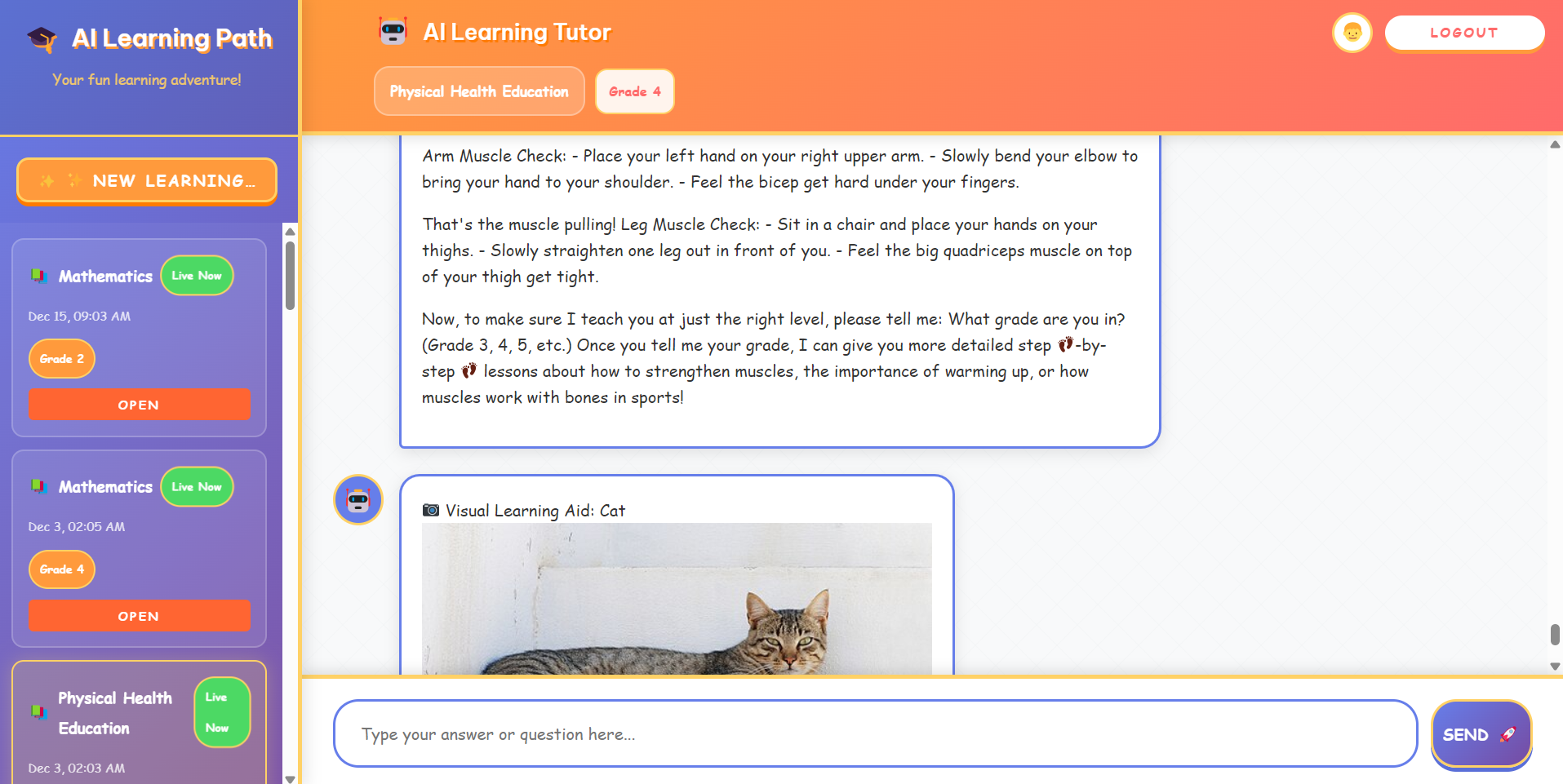
3. AI-Powered Learning Pathway
Using assessment data, an AI-driven learning pathway was generated for each student.
This showed parents:
What their child should focus on next
How Learnify would structure learning over time
That the platform wasn’t generic or one-size-fits-all
The learning pathway became a value artifact — something parents could immediately see and trust.
4. Tutor Attendance & Session Tracking System
To support credibility and operational clarity, I also helped design a system for tutors to:
Clock in attendance
Log tutoring sessions
Maintain consistency across online classes
This reinforced trust on the delivery side and connected acquisition to execution.
How This Solved Lead Generation
Instead of asking parents to “join a platform,” Learnify invited them to:
Learn something about their child
See a personalized learning direction
Understand how tutoring would be structured
Lead capture happened after value was delivered — not before.
Outcomes & Signals
While exact metrics aren’t shared, this approach:
Increased the quality of inbound leads
Improved parent confidence and engagement
Created clearer handoff from marketing to tutoring
Reduced friction in early conversations with parents
Leads arrived informed, specific, and problem-aware.
Key Learning
For education products, lead generation works best when it feels like help, not marketing.
When insight becomes the entry point, trust forms naturally — and conversion follows.
Features I built:
Case Study - Learnify
Focus: Product marketing strategy, product-led lead generation, learning systems design
What Learnify is
Learnify is an online tutoring and learning platform for kids, designed to support students academically while giving parents visibility into progress and learning needs.
Like many education platforms, Learnify faced a familiar challenge early on: parents were interested, but interest wasn’t translating into consistent, qualified leads.
The Core Challenge
Lead generation was the primary bottleneck.
Traditional approaches (ads, landing pages, generic sign-up forms) were attracting attention but failing to:
- Differentiate Learnify meaningfully
- Build trust with parents
- Capture enough context about each child’s actual learning needs
The real issue wasn’t traffic. It was intent and relevance.
Strategic Insight
Parents don’t want to “sign up for tutoring.”
They want to:
- Understand their child’s strengths and gaps
- Feel confident they’re making the right decision
- See evidence that a platform understands their child as an individual
Lead generation needed to deliver value first, not ask for commitment upfront.
My Approach
I began by developing a product marketing and growth strategy document that reframed lead generation as a product experience, not a marketing funnel.
The strategy focused on one core idea:
Turn learning insight into the primary acquisition mechanism.
Instead of pushing parents to register immediately, the platform would help them discover something meaningful about their child — then naturally guide them toward Learnify’s tutoring solution.
To support this approach, I helped design and implement a set of interconnected digital tools.
The System
These tools were not built as isolated features, but as a lead generation system powered by insight and personalization.
1. Quiz Platform (Entry Point)
A simple, parent-friendly quiz designed to:
Identify a student’s academic level
Surface learning gaps
Create a low-friction first interaction
This served as the top-of-funnel entry point, replacing generic sign-up forms.
2. Student Strength Assessment Tool
Based on quiz responses, students were evaluated across key skill areas.
The goal was to:
Highlight strengths
Identify specific improvement areas
Translate abstract “performance” into understandable signals for parents
This positioned Learnify as diagnostic, not promotional.
3. AI-Powered Learning Pathway
Using assessment data, an AI-driven learning pathway was generated for each student.
This showed parents:
What their child should focus on next
How Learnify would structure learning over time
That the platform wasn’t generic or one-size-fits-all
The learning pathway became a value artifact — something parents could immediately see and trust.
4. Tutor Attendance & Session Tracking System
To support credibility and operational clarity, I also helped design a system for tutors to:
Clock in attendance
Log tutoring sessions
Maintain consistency across online classes
This reinforced trust on the delivery side and connected acquisition to execution.
How This Solved Lead Generation
Instead of asking parents to “join a platform,” Learnify invited them to:
Learn something about their child
See a personalized learning direction
Understand how tutoring would be structured
Lead capture happened after value was delivered — not before.
Outcomes & Signals
While exact metrics aren’t shared, this approach:
Increased the quality of inbound leads
Improved parent confidence and engagement
Created clearer handoff from marketing to tutoring
Reduced friction in early conversations with parents
Leads arrived informed, specific, and problem-aware.
Key Learning
For education products, lead generation works best when it feels like help, not marketing.
When insight becomes the entry point, trust forms naturally — and conversion follows.
Features I built: